Tennessee license and training guide
Become a licensed home inspector in Tennessee.
Tennessee requires approved education, the National Home Inspector Examination, specific insurance documentation, and a state application. SOPHI puts the process in order through live instruction, practical reporting work, and direct interaction with experienced inspectors.
90 approved hours
NHIE required
$500,000 liability minimum
$300 state application
Yes
Tennessee licenses home inspectors.
The short answer
Training is required, but education is only one part of the license.
A first-time applicant must be at least 18, provide a high school diploma or GED, complete at least 90 hours of commissioner-approved qualifying education, pass the NHIE, obtain the required insurance, and apply through Tennessee’s CORE system.
Licensing roadmap
Six steps to a Tennessee home inspector license
Use this sequence as a planning checklist, then confirm the current forms and requirements with the Tennessee Home Inspector Licensing Program before applying.
Meet the prerequisites
Be at least 18 and have a high school diploma or GED certificate.
Complete approved education
Finish at least 90 hours of commissioner-approved home inspection and report-writing training.
Pass the NHIE
Submit proof of a passing National Home Inspector Examination score. Tennessee accepts the result for five years.
Arrange both policies
Carry at least $500,000 in general liability insurance plus errors-and-omissions coverage.
Prepare the ACORD certificate
Use current policy numbers, identify the applicant correctly, and list the Tennessee program as certificate holder.
Apply through CORE
Submit the Initial Home Inspector License application and the current nonrefundable $300 state fee.
A small Tennessee detail that can delay an application: “TBA” is not accepted as an insurance policy number. Both policies must be current when the application is submitted.
Approved qualifying education
SOPHI provides more than Tennessee’s 90-hour minimum.
The Tennessee Department of Commerce and Insurance public dashboard lists the School of Professional Home Inspection as provider 837 and Fundamentals of Home Inspection, course 1078, as active qualifying education through July 18, 2028.
SOPHI’s program combines live instruction, report writing, NHIE preparation, quizzes, active study tools, and direct access to working inspectors. Course completion does not itself issue a license; Tennessee makes that decision after every application requirement is satisfied.
120
hours of live instruction
Tennessee requires at least 90 approved hours. SOPHI’s complete live program provides broader time for building systems, professional practice, reporting, and exam preparation.
A personal school—not a recording library
Learn with JJ and Suzanne, not alone in front of prerecorded lessons.
SOPHI is intentionally personal. JJ and Suzanne know their students, welcome questions, and keep the class connected to the decisions inspectors make in real homes. You learn through live interaction with experienced home inspectors who can explain the “why,” discuss the gray areas, and help you turn information into professional judgment.
Ask questions live
Talk through systems, defects, reports, and client situations while the lesson is happening.
Learn from inspection experience
Connect textbook concepts to what inspectors actually see, document, and communicate in the field.
Be known and supported
Get the small-school attention of instructors who care about your progress beyond a completion screen.
Tennessee field resourcesOpen field guide →
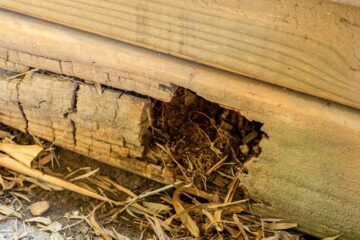
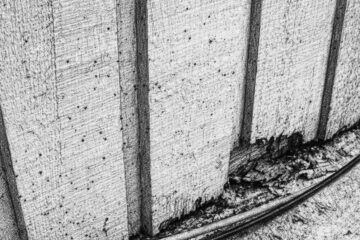
Structural-pest evidence deserves Tennessee-specific attention.
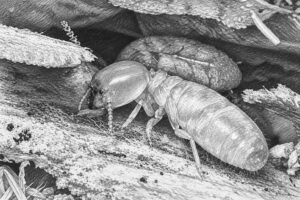 Termite field guide
Warm, humid conditions, crawlspaces, drainage problems, and wood-to-soil pathways make termites, decay, carpenter ants, beetles, and related evidence important inspection context. These companion resources keep the quick field answer separate from the deeper research.
Concise field guide
Tennessee Structural Pest Field Guide
A fast visual reference for common evidence, regional priorities, reporting language, and the point where a home inspection should lead to a qualified pest professional.
Detailed research reference
Tennessee Structural Pest Reference
A pest-by-pest resource covering identification clues, moisture and decay, West–Middle–East Tennessee conditions, construction hotspots, professional scope, and primary-source links.
Local inspection context
Tennessee is one state with several inspection environments.
A national foundation matters, but professional judgment improves when an inspector connects building science to local terrain, rainfall, construction, and access.
West Tennessee
Low-lying sites, flooding, humid crawlspaces, slab and foundation pathways, and heightened Formosan-termite vigilance—especially in Shelby County.
Middle Tennessee
Drainage, foundation moisture, crawlspaces, basements, wooded slopes, porches, decks, additions, and concealed transitions deserve deliberate attention.
East Tennessee
Mountain rainfall, steep-site drainage, shaded assemblies, elevated decks, log components, crawlspaces, and basements create a different inspection lens.
Standards and scope
Tennessee defines what a home inspection includes—and what it does not.
The state Standards of Practice establish the minimum inspection scope, written agreement and report framework, required systems, exclusions, limitations, and professional conduct. The current chapter was amended effective January 22, 2026.
Written agreement: Define the services, cost, applicable standard, and important limitations.
Written report: Identify inspected and uninspected systems, significant deficiencies, recommendations, and the inspector’s license information.
Professional boundary: A visual home inspection is not code enforcement, engineering, a warranty, or a regulated wood-destroying-insect clearance.
Official Tennessee links
Go directly to the agencies that control the license.
Requirements and fees can change. This page was checked against Tennessee Department of Commerce and Insurance sources on September 2, 2026; always review the current state pages before submitting an application.
Current SOPHI tuition
One live program, with course materials included.
Tuition includes 120 hours of live instruction, course materials, quizzes, the SOPHI Student Dashboard, active study resources, NHIE preparation, and direct instructor support. The exam, Tennessee application, insurance, tools, and business expenses are separate.
Cash / check
$1,495
+ tax
Frequently asked questions
Tennessee home inspector licensing FAQ
How many training hours does Tennessee require?
A first-time applicant needs at least 90 hours of commissioner-approved qualifying education in home inspection and report preparation. SOPHI’s approved live program provides 120 hours.
Does Tennessee require the National Home Inspector Examination?
Yes. Applicants must provide proof of passing the NHIE. Tennessee currently treats an exam result as valid for five years for licensing purposes.
What insurance does a Tennessee applicant need?
At least $500,000 in general liability coverage and an errors-and-omissions policy. Tennessee does not state a minimum E&O limit, but both policies must be current and documented in the required ACORD format.
Does a SOPHI completion certificate equal a Tennessee license?
No. The certificate documents course completion. The Tennessee Home Inspector Licensing Program issues the license only after the applicant meets the education, exam, insurance, application, and fee requirements.
Does Tennessee offer reciprocity?
Tennessee publishes a reciprocal application path, but applicants still need a letter of good standing, qualifying education or approved continuing education, a valid NHIE result, the required insurance, an application, and the state fee.
How is an active Tennessee license renewed?
The state currently requires a CORE renewal application, proof of 32 hours of commissioner-approved continuing education, updated ACORD insurance documentation, and a $200 biennial renewal fee.
Build the knowledge first. Then complete the Tennessee license.
Learn live with JJ, Suzanne, and experienced inspectors who will answer questions, connect lessons to real homes, and support you through the training—not simply hand you a library of recordings.