Train for Oregon. Keep Washington within reach.
SOPHI gives Oregon students a live, instructor-led foundation for certification, the National Home Inspector Examination, and real inspection work. Complete the same 120-hour Fundamentals course used for Washington prelicensing education, and one course certificate can support two professional paths.

The Oregon advantage
One classroom can open two licensing routes.
Oregon and Washington license home inspectors differently. SOPHI’s course does not erase those differences; it gives you a substantial education credential that is useful in both systems.
Build your CCB application.
- Use your SOPHI completion certificate as documentation from an approved Oregon education provider.
- Document the 20 qualifying points required by the Oregon CCB.
- Pass the NHIE and complete Oregon’s certification and business-license steps.
Preserve your next move.
- Use the same SOPHI Fundamentals certificate for Washington’s approved 120-hour education component.
- Complete Washington’s separate 40 hours of field training and five inspection reports.
- Meet the examination, application, and licensing requirements that apply when you pursue Washington.
What carries across: the SOPHI course-completion certificate. What does not happen automatically: an Oregon certification does not become a Washington license, and the classroom certificate does not replace either state’s remaining requirements.
Oregon certification roadmap
Turn education into a complete Oregon application.
Oregon certifies individual home inspectors through the Construction Contractors Board. The state looks at education or related experience, a national examination, and the licensed business through which inspection services will be offered.
Complete live training
Finish SOPHI’s Fundamentals course and keep your detailed completion certificate.
Document 20 points
Combine qualifying education, experience, ride-alongs, recommendations, or code credentials as allowed by the current application.
Pass the NHIE
Take the National Home Inspector Examination through Oregon’s current testing vendor and retain the score report.
Apply for certification
Send the CCB the application, qualifying-point documentation, passing score, and current fee.
Connect to a CCB business
Own or work for an active CCB-licensed residential business before performing paid home inspections.
The point rule deserves attention. Oregon’s application awards points for specific education subjects and several kinds of related experience. SOPHI will document the training you complete, but the CCB decides how your full packet satisfies the 20-point total. Review your background early so you know whether you also need ride-alongs or other documentation.
Built for learning in real time
Ask the question while the system is still on the screen.
This is a live course, not a stack of recordings. Suzanne and JJ Greive teach from the Burien classroom while Oregon students participate online, work through the same material, and ask questions as the lesson develops.
Oregon houses are not one climate
Read the building in front of you—and the environment around it.
An inspector working from Astoria to Ontario will not see one uniform set of conditions. SOPHI teaches a consistent inspection process, then helps students think about how local exposure, building age, alterations, and maintenance history change the clues.
Willamette Valley moisture
Pay close attention to roof drainage, grading, crawlspaces, attic ventilation, siding details, and the paths water can take through an enclosure.
Coastal exposure
Consider wind-driven rain, corrosion, sealants, flashing, exterior finishes, and the maintenance burden created by persistent weather.
High desert and eastern Oregon
Connect freeze-thaw cycles, large temperature swings, snow, irrigation, soils, and intense sun to the same disciplined system-by-system review.
Older homes and later work
Look for layered electrical and plumbing eras, additions, remodels, seismic improvements, and repairs that need careful context rather than quick assumptions.
Oregon course tuition
Invest once in education built for two neighboring states.
Tuition supports direct instruction and a guided learning system—not just access to content. The goal is to leave class knowing how to keep studying, prepare for the NHIE, and make better decisions when a real house refuses to look like a textbook example.
- Live, instructor-led Fundamentals training
- Course materials, quizzes, and exam preparation
- Private Student Dashboard and daily study direction
- Oregon education documentation and a Washington-useful course certificate
Use current agency information
Keep Oregon’s official forms beside your course plan.
Rules, fees, forms, and testing details can change. These primary sources control the certification process.
Oregon and Washington information was checked against Oregon CCB, Oregon law, and Washington DOL sources on September 6, 2026. Confirm the current state forms before applying. SOPHI can document its course; only the relevant state agency can decide whether an applicant has satisfied every licensing requirement.
An Oregon field specialty
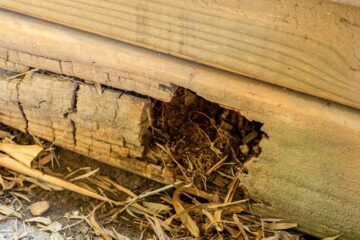
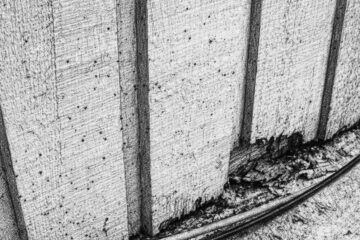
Learn the pest evidence Oregon homes put in front of you.
Oregon’s home-inspection and pesticide systems are not the same as Washington’s. Your inspection agreement must state whether a wood-destroying-organism inspection is included and whether it is available for an additional fee. Oregon’s basic home-inspection standards do not require pest reporting, but inspectors may make additional observations within their competence and agreed scope.
Oregon-specific distinction: ODA says an IIHS Structural Pest applicator license may be used for pest inspections, but Oregon does not require that license merely to perform a WDO inspection, and it grants no special inspection authority. Confirm the exact planned service with CCB and ODA.
Frequently asked questions
Clear answers about the Oregon and Washington path
Can I use my SOPHI course certificate toward a Washington home inspector license?
Yes. SOPHI’s Fundamentals course is approved for Washington’s 120-hour prelicense education component, so an Oregon student can preserve that education credit when pursuing Washington. Washington still requires its own field training, reports, examination approval, passing score, application, and fee.
Does Oregon require 120 hours of classroom education?
Oregon’s current application is built around 20 qualifying points rather than a single 120-hour classroom mandate. SOPHI’s 120-hour course provides broad professional education and supports the Oregon application while also meeting Washington’s approved education component.
Do I need a contractor business license in Oregon?
Yes. An Oregon Certified Home Inspector must own or work for an active CCB-licensed residential business. A business limited to inspections may use the Home Inspector Services Contractor endorsement; review current bond, insurance, and fee requirements with the CCB.
Is the course self-paced?
No. Oregon students attend the live class online with the Burien classroom. They can ask questions in real time, participate in the lesson, and receive study direction from the instructors.
Start with a conversation
Build your Oregon plan before the first day of class.
Talk with Suzanne or JJ about your qualifying-point background, the next live class, and how the SOPHI certificate fits an Oregon career with a possible Washington future.