SOPHI Tennessee field guide
Structural pests: read the evidence.
A fast field reference for Tennessee home inspectors: what deserves attention, what the visible clues may mean, and where a visual home inspection must stop.
FIELD MARKER 01
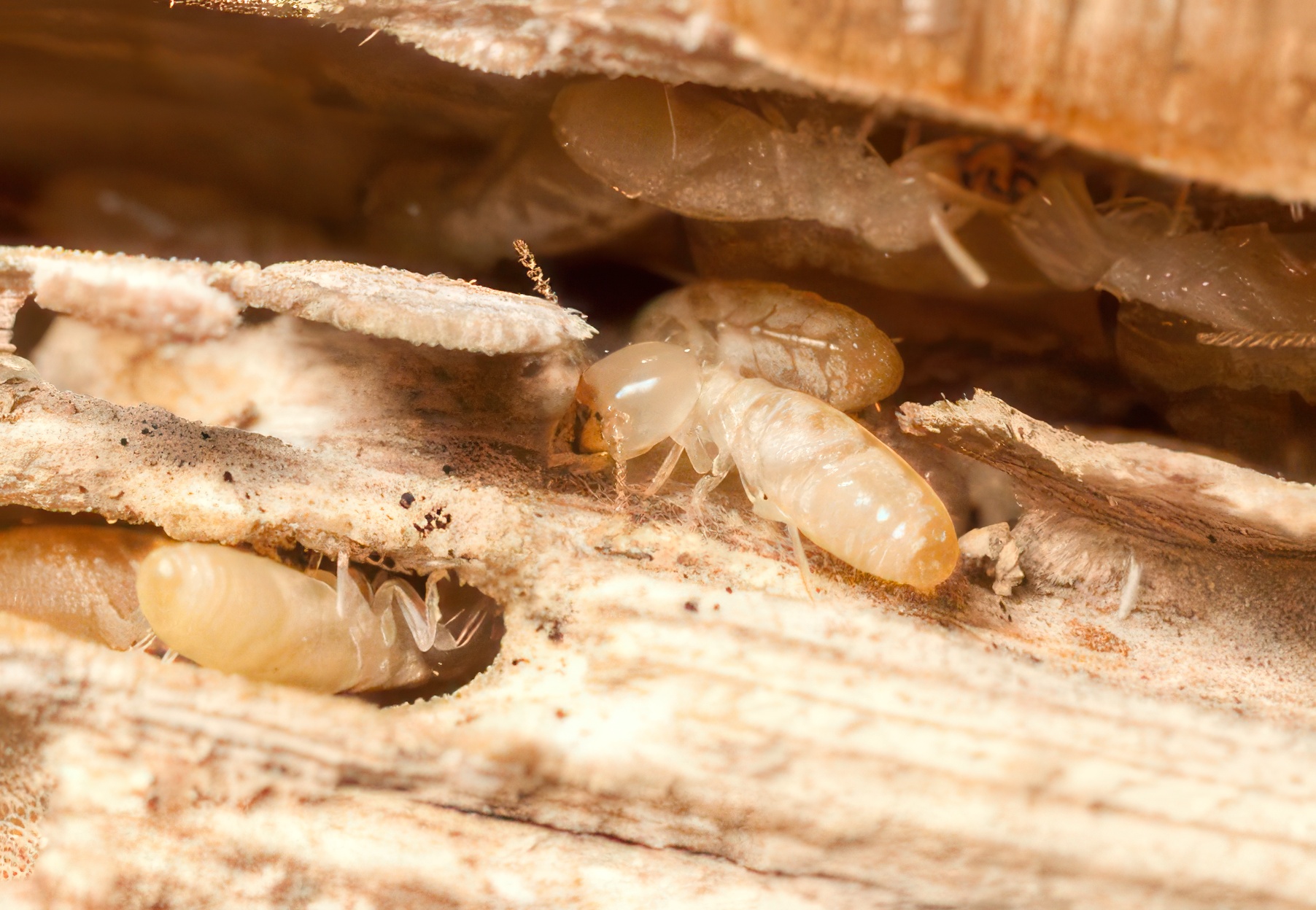
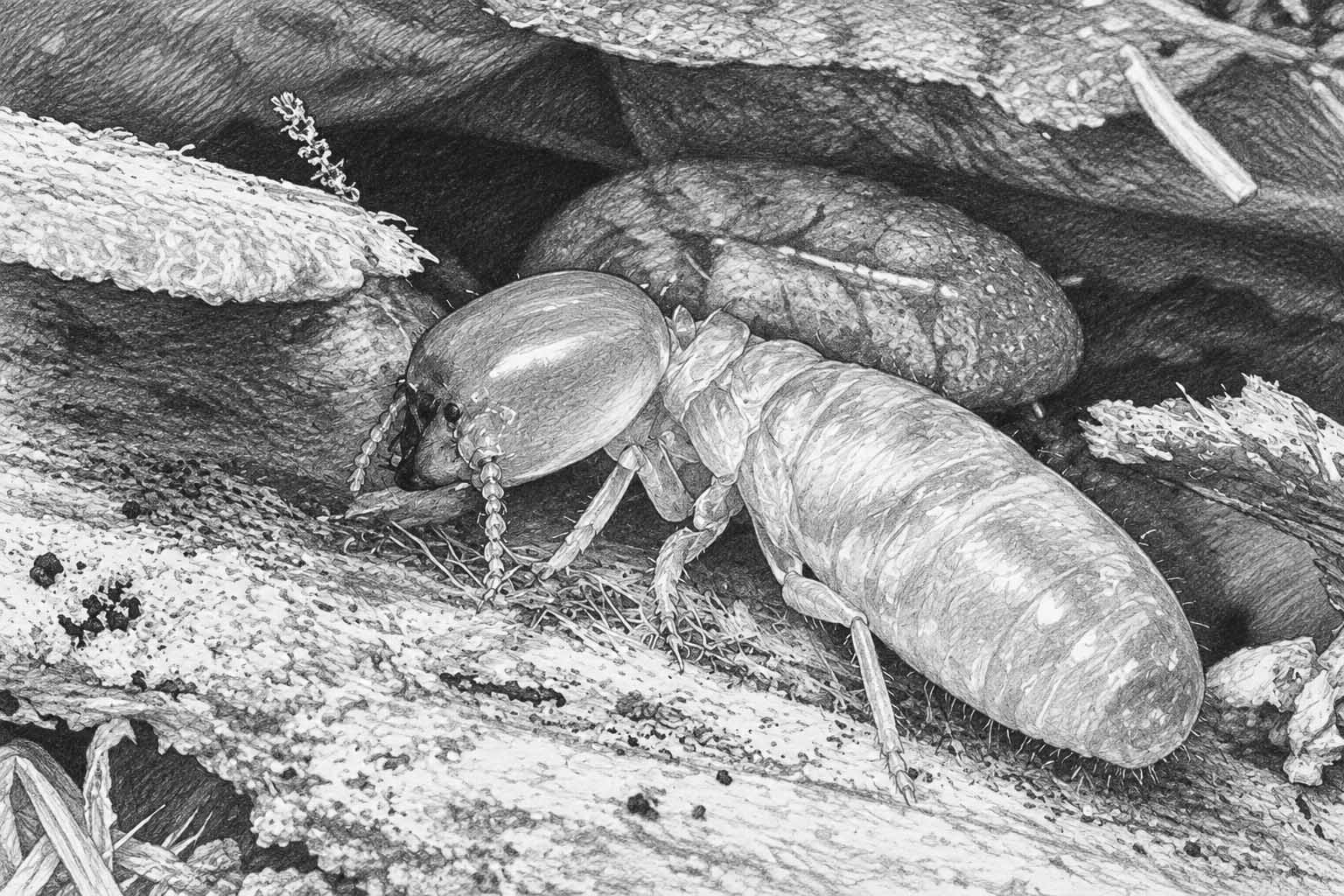
Visible termite evidence may be only a small part of concealed damage. Click the sketch for a close view of termites within damaged wood.
The 60-second Tennessee brief
Four things worth your attention
Tennessee’s warm, humid conditions make this an evidence-and-moisture state. Start with the high-frequency problems; keep special regional risks in view.
Highest priority
Native subterranean termites
Look for mud tubes, soil-connected travel, damaged or hollow-sounding wood, discarded wings, and hidden access at foundations, crawlspaces, slabs, porches, steps, and utility penetrations.
Highest priority
Moisture and fungal decay
Follow the water before naming the damage: crawlspace humidity, plumbing leaks, poor drainage, roof runoff, trapped wall moisture, and wood-to-soil contact can support decay and insects.
Common concern
Carpenter ants
Coarse fibrous debris, smooth galleries, large ants, and damp wood are the useful clues. Carpenter ants excavate wood; they do not consume it like termites.
Identify carefully
Wood-boring beetles
Hole shape, hole size, frass texture, wood type, and evidence freshness matter. Old holes do not automatically establish current activity.
Exterior focus
Carpenter bees
Nearly round entrance holes, coarse sawdust, staining, and woodpecker damage often occur at fascia, trim, railings, decks, and other exposed softwood.
!
West Tennessee: add a Formosan-termite watch.
Shelby County has repeated confirmed activity. Historical Tennessee detections also include Henderson County and a transported-boat case in Roane County. Treat this as a regional surveillance issue—not proof that every Tennessee termite is Formosan.
Evidence atlas
Name what you see before naming the pest
The best field note records the material, pattern, location, extent, and nearby conditions. A photograph and a careful description usually outperform a confident guess.
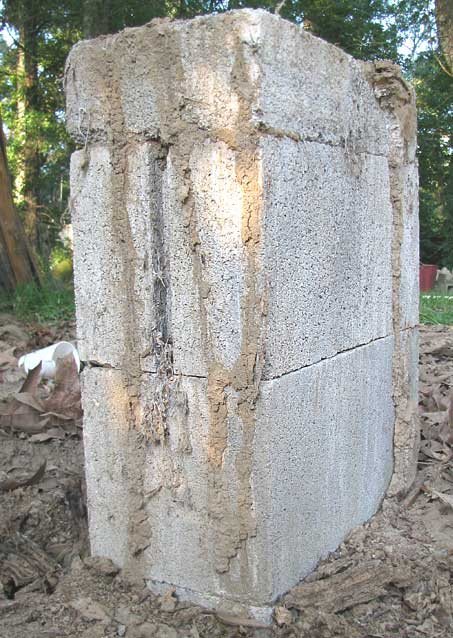
Mud tubes
Trace where the tube begins and ends. Record soil access, affected members, moisture, breaks, and any live insects. An old-looking tube alone does not prove inactivity.
Photo: Jim Conrad, public domain, via Wikimedia Commons
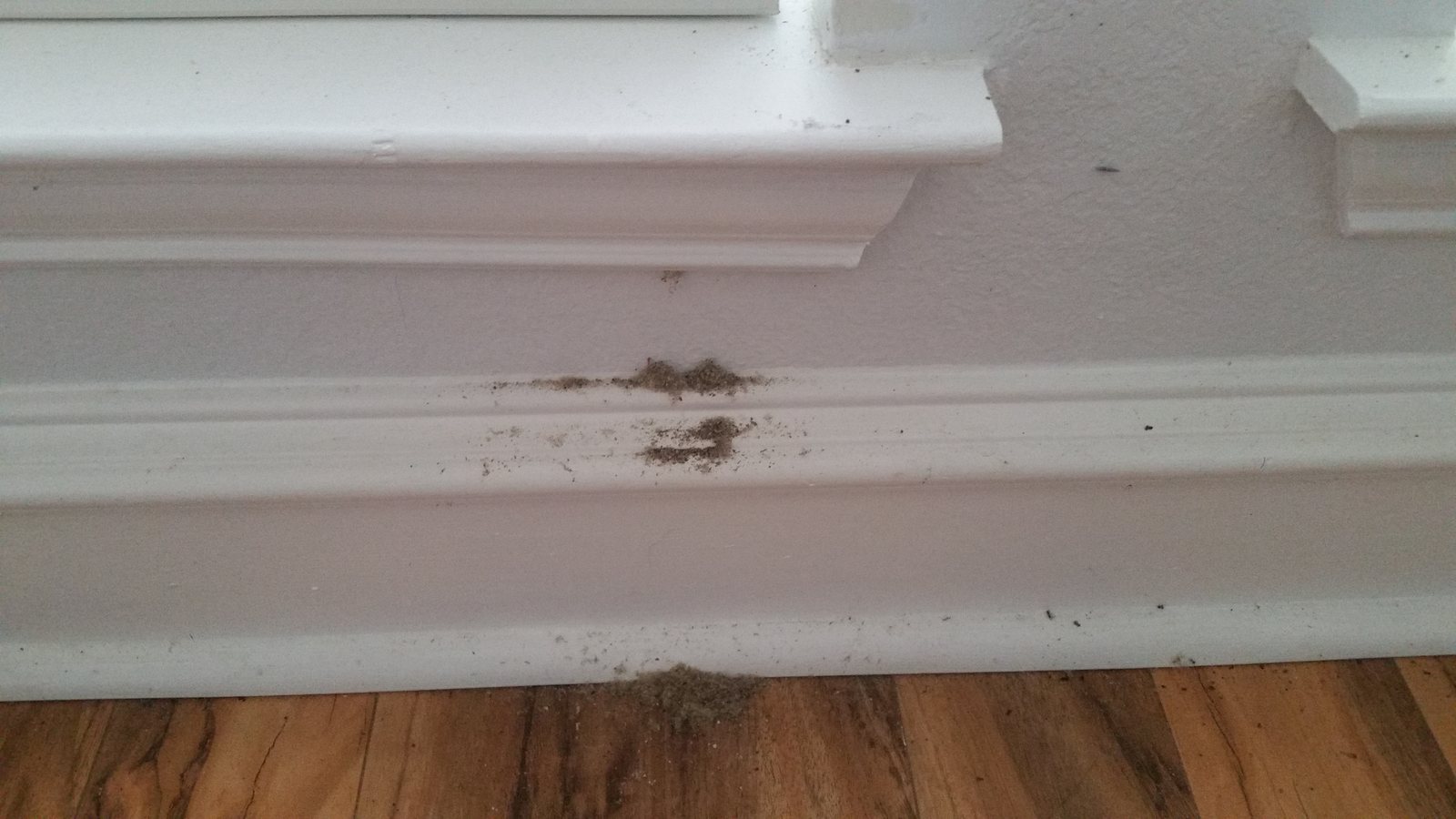
Coarse frass
Look above the pile for an opening, smooth gallery, damp wood, insect trail, vegetation bridge, or leak. Fibrous debris is more useful than the mere presence of a wandering ant.
Photo: Thadguidry, CC0, via Wikimedia Commons
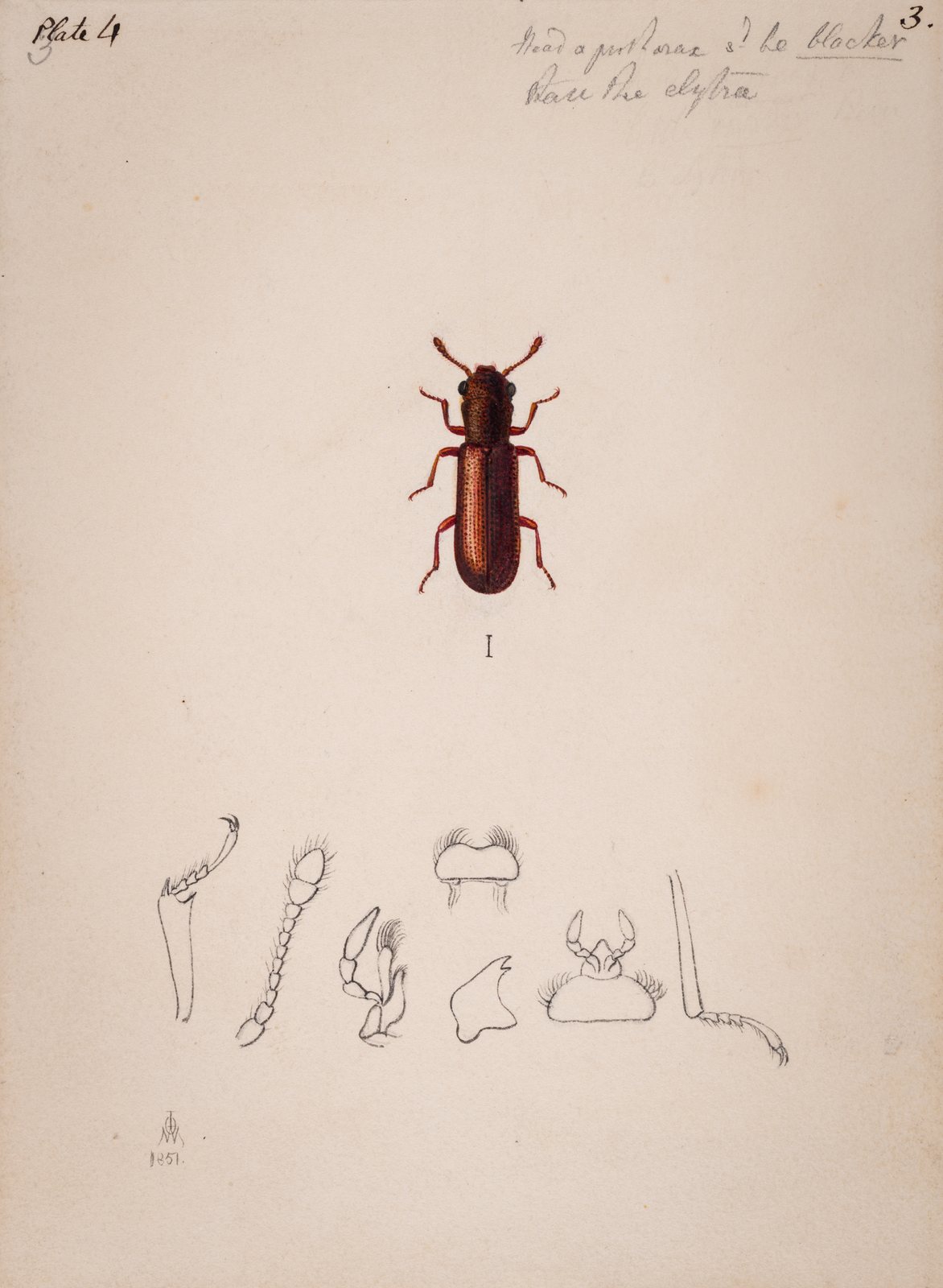
Holes and powder
Document the opening’s diameter and shape, the powder texture, the affected wood, and whether fresh material or specimens are present. Imported wood products can complicate the story.
Image: John O. Westwood, public domain, via Wikimedia Commons
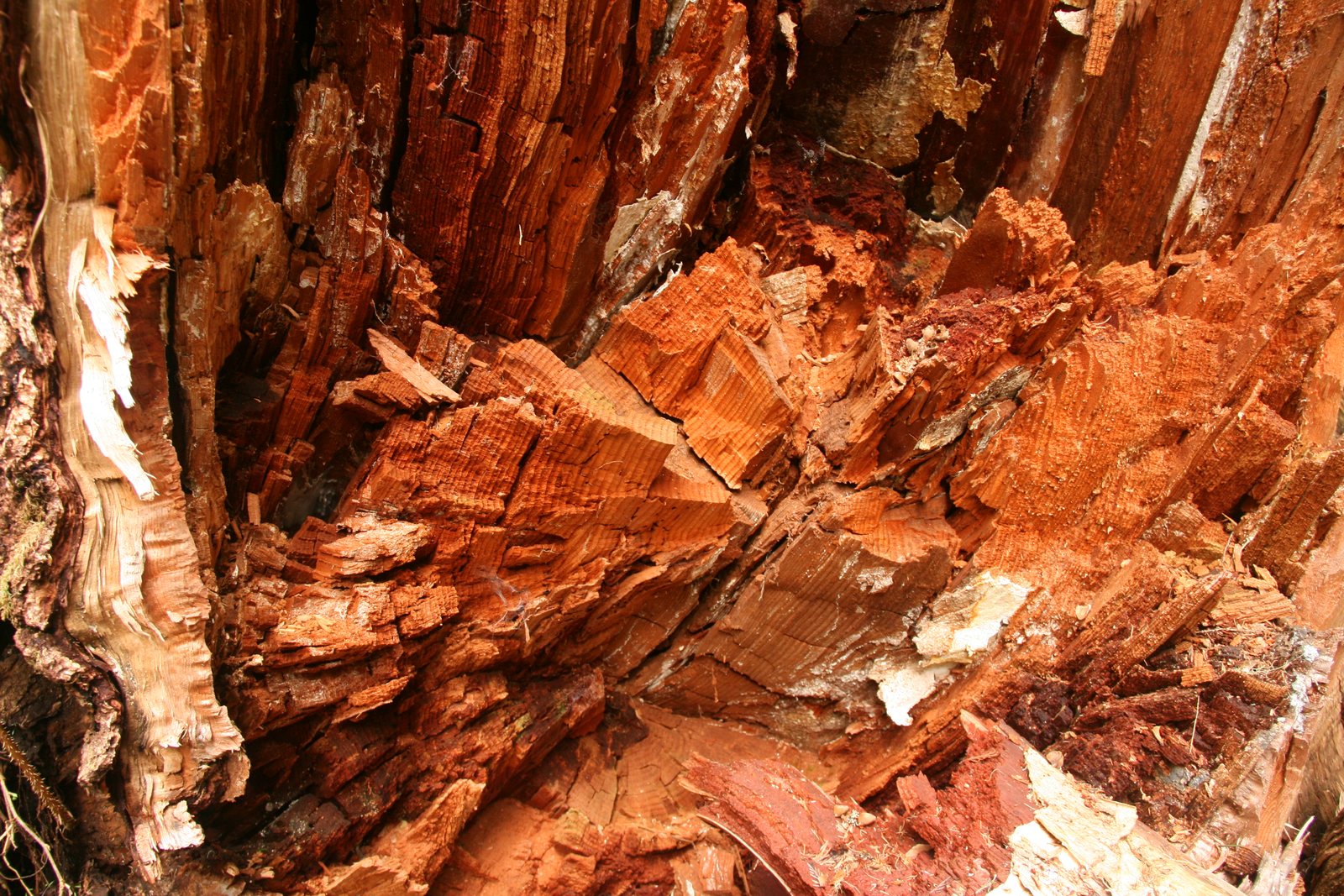
Soft or cubically cracked wood
Record the damaged member and loss of section, then identify the visible moisture pathway. A meter reading helps screen conditions; it does not identify the fungus or reveal concealed extent.
Photo: USDA Forest Service, public domain
Field workflow
Spot it. Frame it. Report it. Refer it.
01 · Spot
Find the pattern
Tubes, frass, exit holes, galleries, wings, damaged wood, insects, or decay.
02 · Frame
Capture context
Exact location, extent, nearby moisture, soil contact, and access limitations.
03 · Report
Use observable language
Describe what was visible without declaring an unconfirmed species or activity status.
04 · Refer
Send it to the right person
Pest professional, contractor, engineer, or diagnostic laboratory—as the evidence requires.
Regional radar
One state, three inspection lenses
West Tennessee
Formosan vigilance
Give Shelby County extra attention. Add flood exposure, humid crawlspaces, drainage, slab penetrations, and transported wood or stored items to the inspection story.
Middle Tennessee
Crawlspace and runoff pressure
Watch grading, roof discharge, foundation edges, porches, decks, crawlspaces, basements, and concealed moisture around additions and transitions.
East Tennessee
Mountain-and-valley moisture
Rainfall varies sharply with terrain. Pay close attention to shaded assemblies, decks, log components, hillside drainage, crawlspaces, and persistent wetting.
Tennessee scope line
A home inspection is not a WDI clearance.
Tennessee’s home-inspector standards require the report to state that the inspection does not address wood-destroying organisms. A regulated wood-destroying-insect inspection, official form, treatment recommendation, or clearance belongs to properly qualified pest professionals working through a chartered firm.
- Report visible evidence and contributing conditions.
- Do not promise that inaccessible areas are pest-free.
- Do not call an infestation active or inactive from one clue.
- Recommend timely evaluation when the finding could affect the transaction or structure.
Copy-ready starting points
Careful language for the report
Edit the bracketed fields and make the narrative match what was actually visible. These examples are not substitutes for the inspector’s agreement, standards, or judgment.
Suspected termite evidence
Shelter-tube-like material and/or wood damage was observed at [location]. The visible evidence is suspicious for subterranean termite activity; species, current activity, and concealed extent were not determined during this visual home inspection. Have a qualified Tennessee pest professional evaluate the condition promptly and advise on needed action.
Holes, frass, or insect evidence
Wood-destroying-insect-type evidence, including [describe holes, frass, insects, or damage], was observed at [location]. The insect and current activity were not confirmed. Obtain identification and evaluation by a qualified pest professional before the inspection contingency expires.
Moisture and decay
Wood at [location] was visibly deteriorated and/or affected by moisture associated with [observed condition]. Prolonged moisture can support fungal decay and wood-destroying insects. Correct the moisture source and have the affected components and concealed extent evaluated by the appropriate qualified professional.
Keep perspective: Drywood termites are not native Tennessee pests but may arrive in furniture or transported wood. Dampwood termites are not established as a routine Tennessee structural concern. Teach both as comparison cases—not as equal statewide priorities.
When the short answer is not enough
Open the full Tennessee research file
The detailed source document contains pest-by-pest notes, regional evidence, climate and construction factors, regulatory distinctions, image candidates, and the complete source trail used to build this field guide.
UT Urban Integrated Pest Management
Tennessee education and identification resources
UT Subterranean Termite Control
PB 1344: biology, evidence, and management context
UT Formosan Termite Survey Update
Tennessee distribution and surveillance context
UT Extension County Offices
Local support in all 95 Tennessee counties
Tennessee Department of Agriculture
Certification, licensing, and structural-pest authority
USDA Wood Handbook
Wood moisture, deterioration, and material science
Source set checked September 2, 2026. Regulations and agency pages can change; verify the current official source before advising a student or performing regulated work.