Termites, carpenter ants, wood-boring beetles, and decay
Montana is not a “no termite” state, and termites are not the only wood-destroying concern. This field guide focuses on the pest evidence, moisture patterns, imported-wood cases, and reporting decisions that matter in Montana homes.
Official Montana resources
Start here when advising a Montana student or checking the current legal and professional requirements.
Licensing checklistCurrent education, membership, insurance, application, and fee requirements
Approved prelicensing coursesMontana Department of Labor and Industry’s approved-course list
Home-inspector statutesMontana Code Annotated, Title 37, Chapter 55
State standards of practiceMCA 37-55-104: reports, visible defects, referrals, compensation, and conflicts
Administrative rulesOfficial Montana program page linking ARM Chapter 24.152
Structural-pesticide licensingMontana Department of Agriculture commercial applicators and Category 7
Montana insect identificationMSU Extension Schutter Diagnostic Lab
Montana’s priority WDO profile
The state’s generally dry reputation can create false confidence. Montana’s official field guide documents the arid-land subterranean termite, while MSU records show meaningful carpenter-ant and wood-boring-beetle cases. Moisture remains the thread connecting many serious conditions.

Subterranean termites
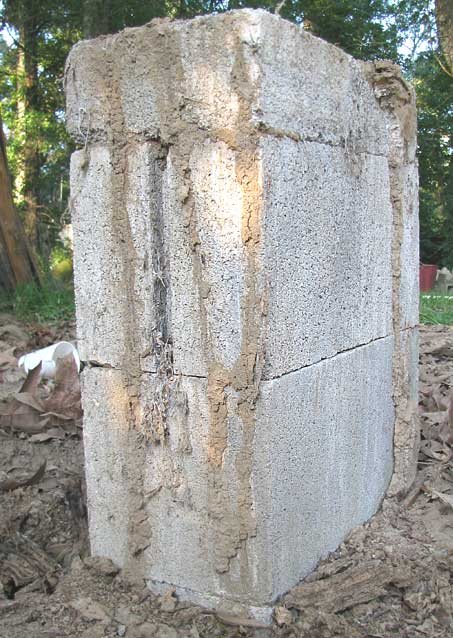
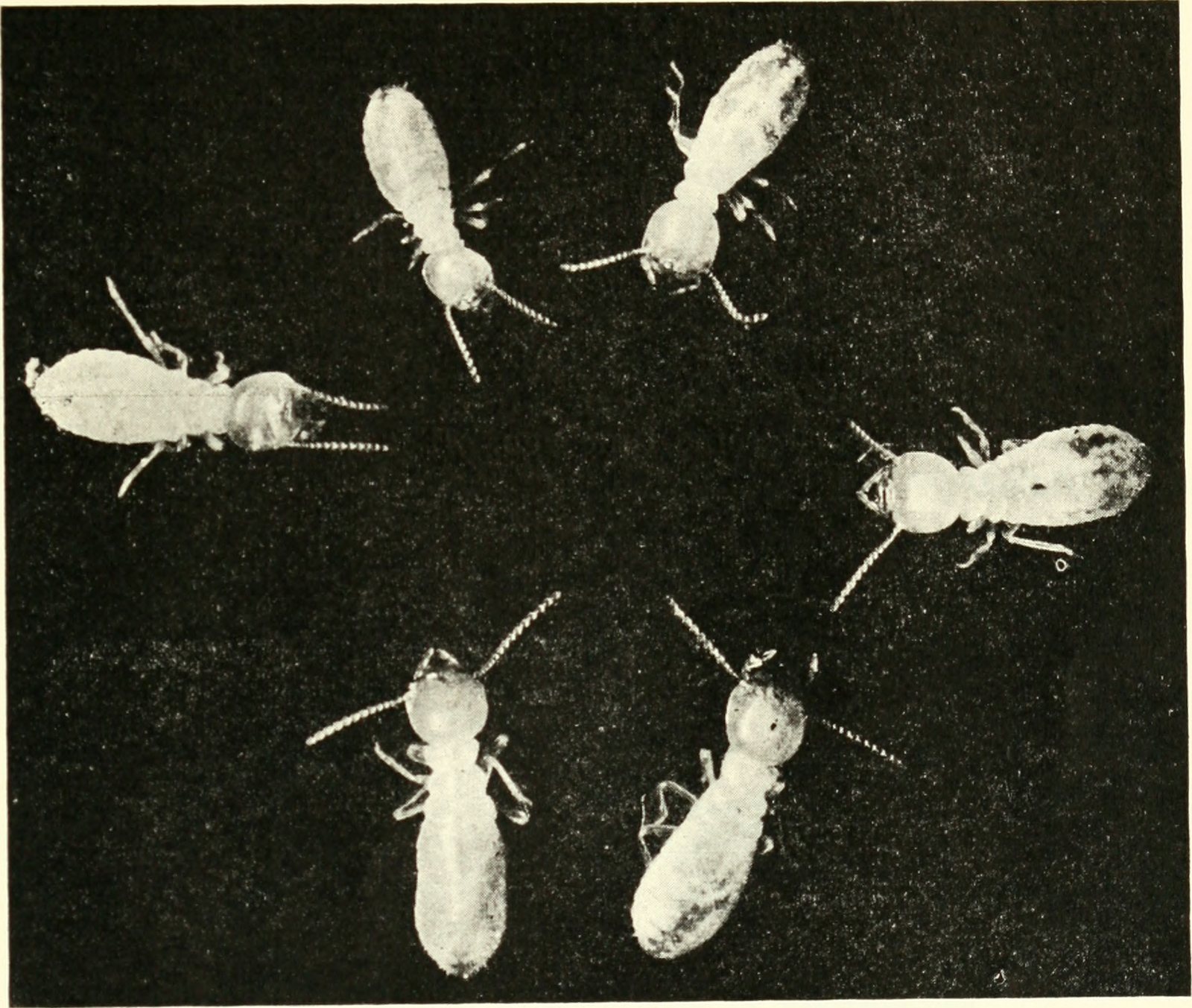
Look for shelter tubes, hollowed wood, discarded wings, soil access, and concealed travel at foundations, basements, crawlspaces, posts, steps, decks, and utility penetrations.

Carpenter ants
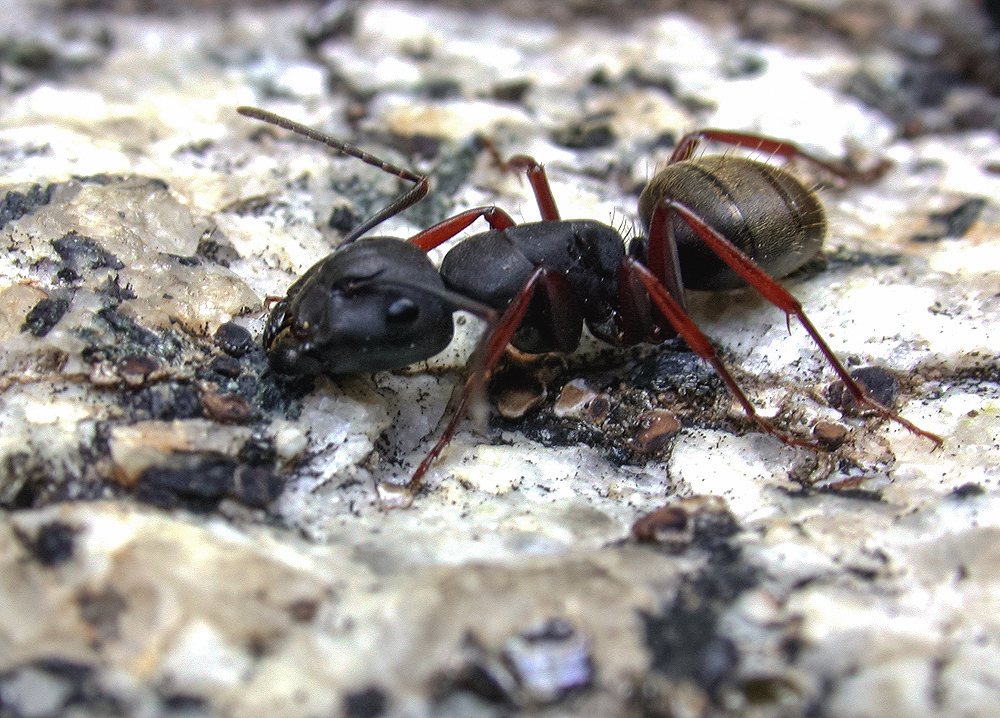
Montana nests are strongly associated with wet or compromised wood. Basements, leaks, damp trim, vegetation contact, and firewood storage deserve attention.

Wood-boring beetles
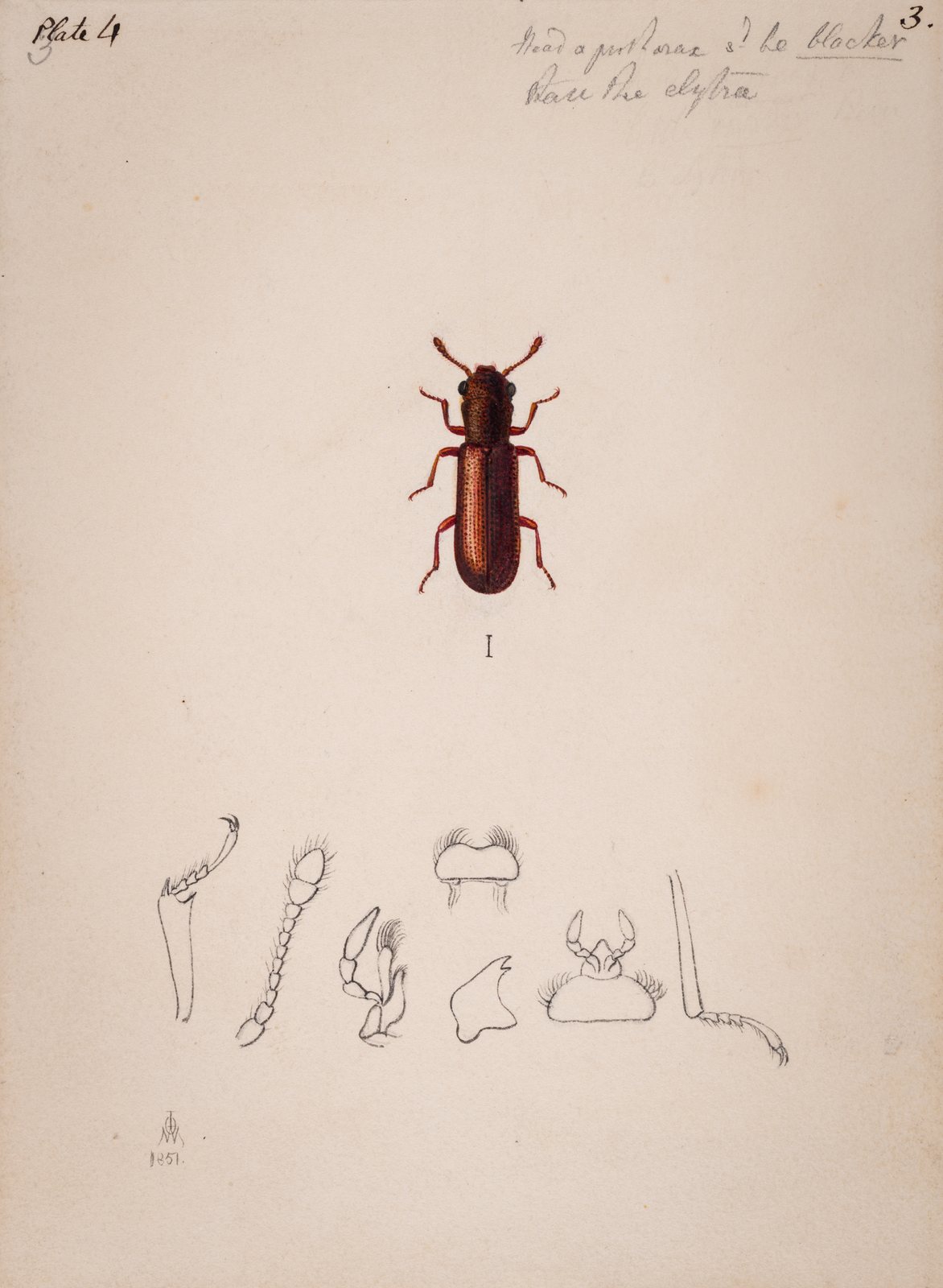
Exit holes and frass require careful interpretation. Imported furniture or timbers can introduce pests, while some beetles emerging from new lumber are temporary nuisances.

Fungal wood decay
Follow the water: grading, snowmelt, irrigation, roof drainage, plumbing, condensation, crawlspaces, and trapped moisture can create conditions that weaken wood.
What the evidence looks like
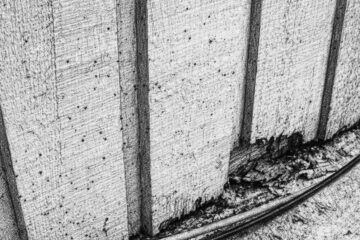
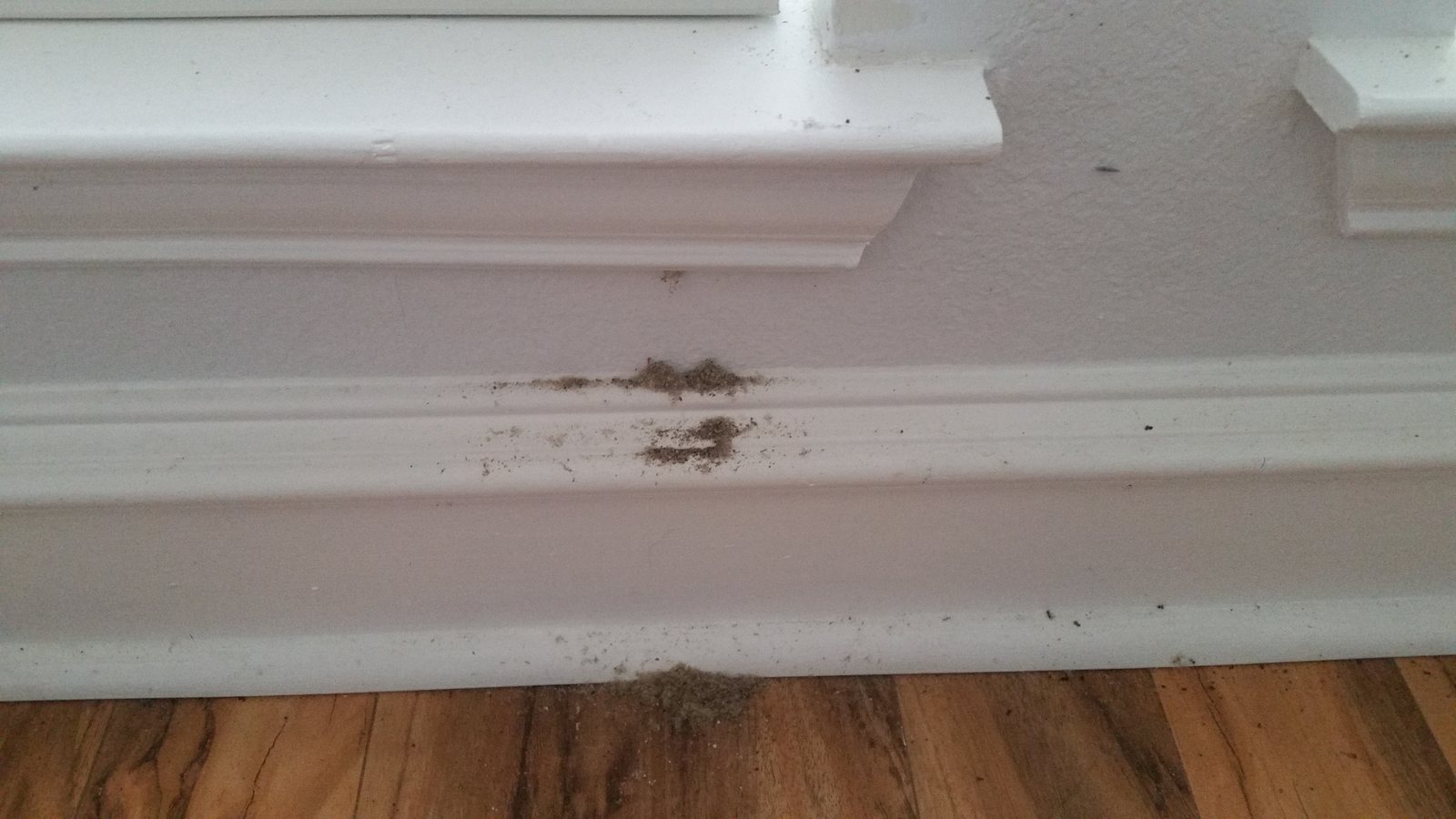
An inspector rarely meets a neatly labeled insect. More often, the first clue is material below a trim board, an earthen line on a foundation, or unexplained debris near a small opening. These examples teach pattern recognition while preserving the need for professional identification.

Recognizing carpenter-ant gallery damage
Smooth, clean galleries may follow the grain and are often associated with damp or previously compromised wood. Pair visible channeling with frass, moisture conditions, ants, or travel paths; the sketch alone does not establish current activity or confirm the species.SOPHI field sketch
What the visible evidence may be telling you
| Visible evidence | More consistent with | Document before referring |
|---|---|---|
| Earthen shelter tubes, soil-connected travel, or hollowed wood | Subterranean termites | Location, tube continuity, affected members, adjacent soil or moisture, and whether live insects were seen |
| Coarse fibrous frass, smooth galleries, large ants, or nighttime trails | Carpenter ants | Frass, damp or softened wood, leaks, entry paths, vegetation, firewood, and visible ants |
| Small round exit holes with fine powder | Powderpost-type beetles | Hole size and shape, frass texture, affected wood, distribution, fresh material, and specimens |
| Larger oval holes or audible larval feeding in softwood | Old-house-borer-type evidence | Hole dimensions, affected timbers, visible extent, material origin if known, and specimens |
| Soft, cubical, stringy, cracked, or discolored wood with moisture | Fungal decay | Moisture readings where appropriate, source or pathway, affected member, extent, and loss of integrity |
This comparison organizes observations; it does not replace entomological identification, destructive investigation, engineering analysis, or a pest professional’s treatment proposal.
Montana field notes
Subterranean termites are documented in Montana
The Montana Field Guide records the arid-land subterranean termite, Reticulitermes tibialis. Do not dismiss credible evidence because of climate, but do not label every earthen line, damaged board, or winged insect a termite. Record what can be seen and refer uncertain or consequential evidence.
Carpenter ants often point back to a moisture problem
MSU Extension reports that carpenter ants require rotting or compromised wood for nesting and commonly get started in Montana basements. They excavate rather than eat wood, so coarse frass, clean galleries, rustling, and trails can be useful clues. A few foraging ants alone do not establish structural damage.
Wood-boring beetle evidence needs identification—not a guess
Hole geometry, frass, wood species, distribution, and a specimen can change the conclusion. Montana diagnostic records include a reinfesting powderpost beetle in imported furniture, old house borers associated with imported structural timbers, and harmless temporary emergence from new construction. Those are very different recommendations from superficially similar evidence.
Decay is a moisture-pathway investigation
USDA Forest Products Laboratory research explains that decay fungi need moisture, favorable temperature, air, and suitable material. Inspect both the damaged wood and the route by which it became wet. Correcting only the visible damage without correcting the moisture source invites recurrence.
Organisms and evidence referenced in this guide
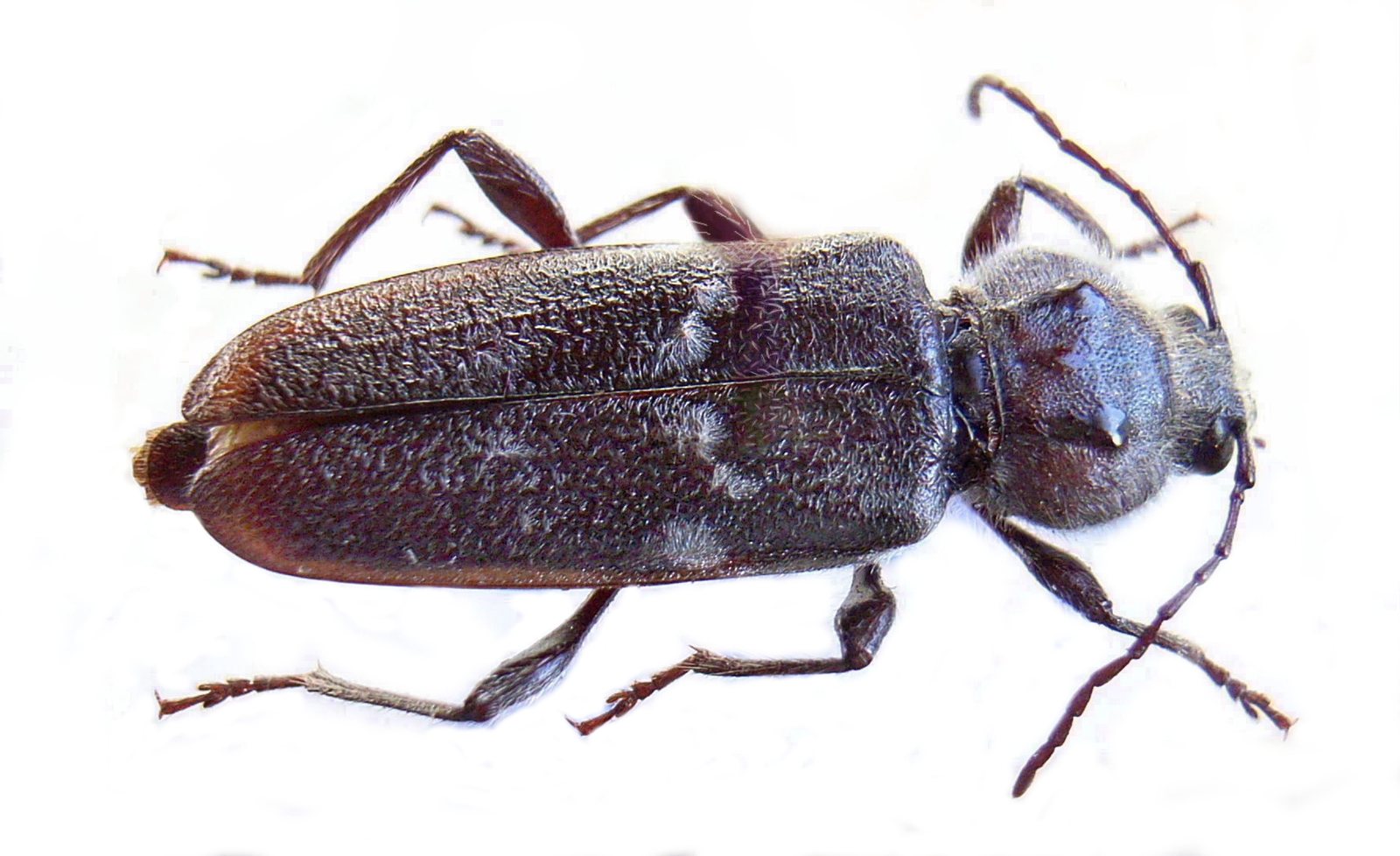
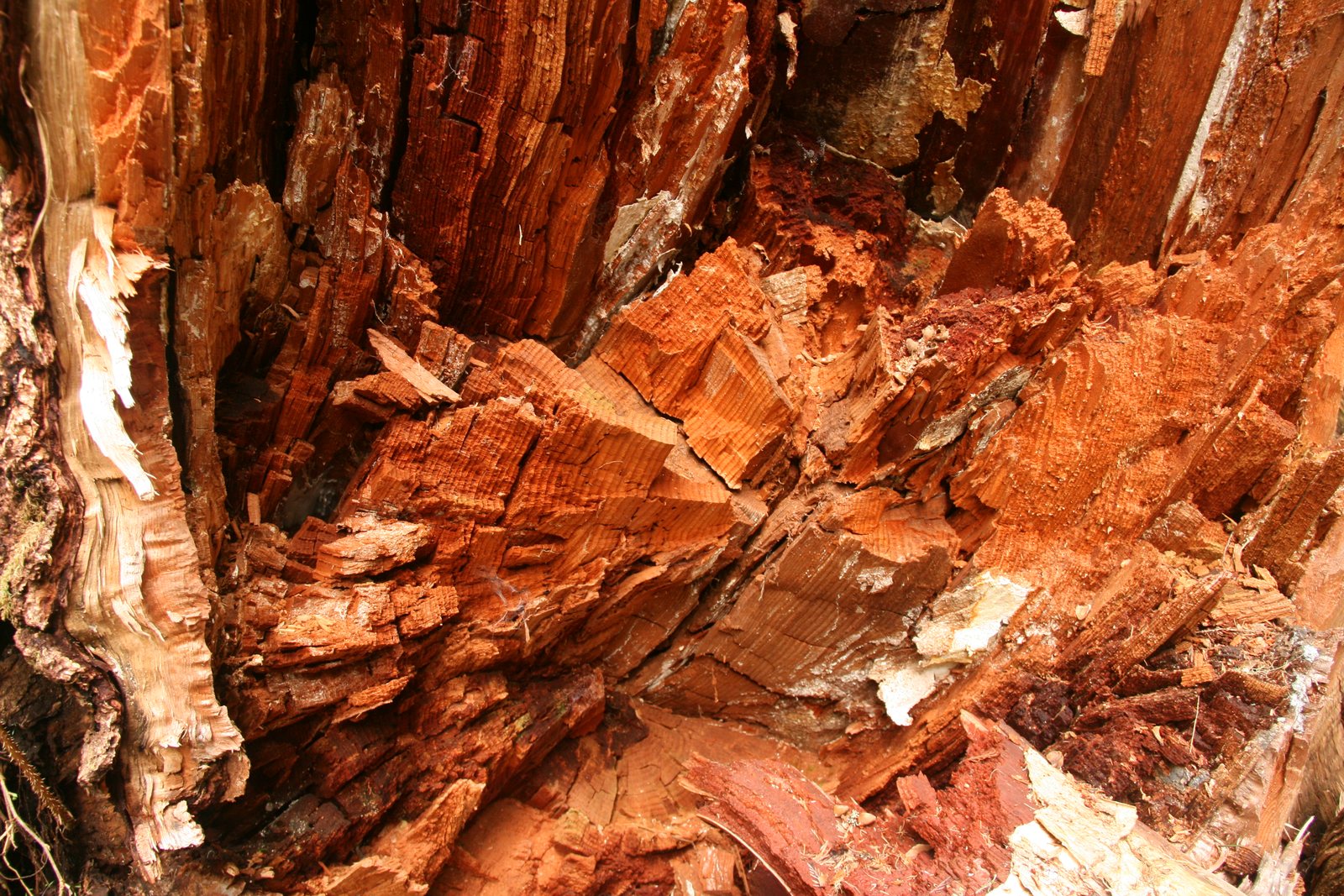
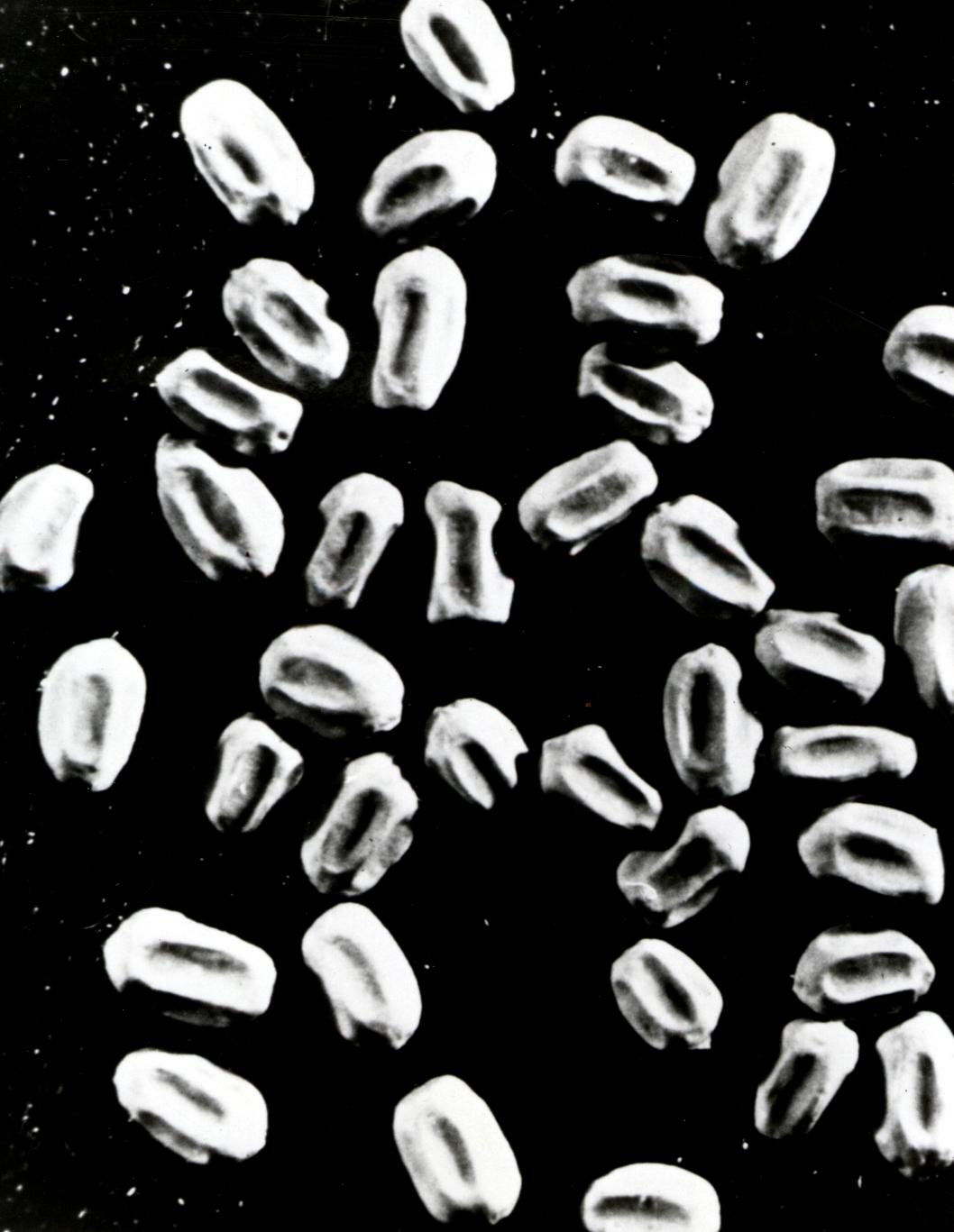
Cubical decay is a condition—not a moisture diagnosis
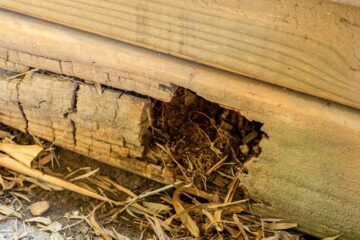
Block-like cracking and loss of wood integrity can be consistent with advanced brown-rot decay. The visible pattern does not, by itself, identify the present moisture source or establish the full concealed extent. Document the affected member, measure accessible moisture when appropriate, follow the water pathway, and recommend qualified evaluation.
Photo: USDA Forest Service, public domain, via Wikimedia Commons
Three Montana cases that sharpen inspection judgment
These documented cases show why identification matters: similar-looking evidence can lead to very different conclusions. Use the Montana reports for the original case records and the extension guides for field-recognition details.
Reporting under Montana’s standards of practice
MCA 37-55-104 requires a written report unless the client agrees in writing to release the inspector from that obligation. The report must identify inspected systems and structures, describe major visible defects, and recommend further evaluation by appropriate people. Montana also requires membership in a national home-inspection association, so inspectors should follow the applicable association standards and their inspection agreement.
A defensible WDO observation should
- Identify the material or component and exact location.
- Describe visible evidence without overstating species or activity.
- Record accessible contributing conditions such as moisture or soil contact.
- Explain important limitations and inaccessible areas.
- Recommend the appropriate pest professional, contractor, engineer, or laboratory.
Sample report language
Suspected wood-destroying insect evidence
Moisture and fungal-decay conditions
Suspected termite evidence
Research and verification sources
- MSU Schutter Diagnostic Lab 2023 Annual Report — Gallatin County powderpost beetle and Missoula Arhopalus cases.
- MSU Extension 2020 Report of Accomplishments — Montana’s first documented old house borer detection.
- USDA Forest Products Laboratory: Biodeterioration of Wood — fungal decay, insects, and moisture.
- U.S. EPA: Termite identification and control — general evidence and prevention context.
Planning a home-inspection career in Montana?
Review Montana’s current licensing requirements and see how SOPHI’s approved live training prepares students for professional field work.